Pillar 04 of 7
Sustainable Industry
Sustainable tourism, the creative economy, and digital investment: diversifying the economy for a resilient future.

Overview
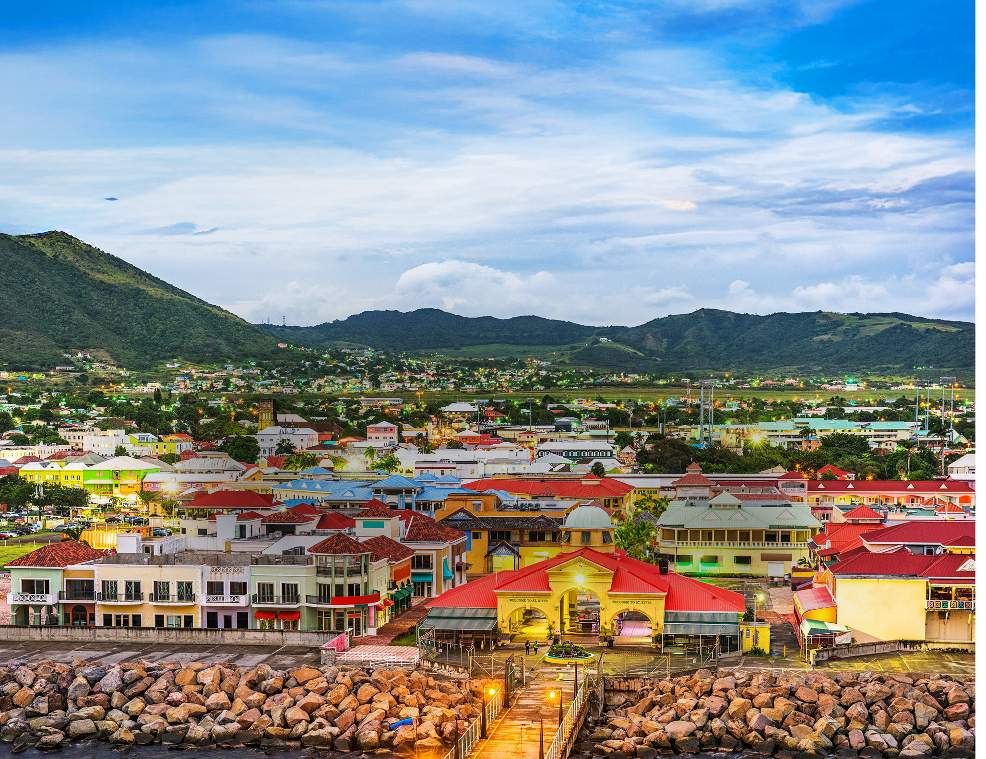
The SISA pillar on sustainable industries focuses on developing sustainable tourism, the creative economy, and internet-based investments to diversify the economy and create a more resilient and sustainable future for St. Kitts and Nevis.
The country is committed to transitioning tourism toward a sustainable, high-quality model that benefits both visitors and residents. The Tourism Strategy and Action Plan (2024) adopts a Pro-People, Pro-Planet approach to protect the environment, culture, and residents' quality of life while maximizing economic benefits, through initiatives like the Destination Climate Action Plan, the Heart of St. Kitts Sustainability Charter, and the Sustainable Destination Council.
Key Facts
- In the first half of 2024, total visitor arrivals reached 1,239,772, with 388,582 stay-over arrivals.
- Total visitor expenditure for the first half of 2024 was EC$3,039.66 million.
- Tourism played a significant role in the 8.8% real GDP growth of 2022.
- The pandemic caused a 72% decline in annual cruise passenger visitation in 2020; the sector has recovered strongly.
- By 2019, approximately 4,800 people were employed in travel and tourism.
- The services sector, including many creative industries, contributed approximately 65.66% of GDP in 2022.
Our Ministry aims to redefine growth to prioritize measurable gains for our local communities, environment, natural resources, and culture on which our tourism, transport, and livelihoods depend. This will replace outdated metrics such as visitor arrivals and expenditure to measure success.
Hon. Marsha Henderson
Minister of Tourism, Civil Aviation, International Transport, Employment and Labour and Urban Development
Goals and Targets
- Advance high-quality tourism with GSTC compliance and managed, equitable growth.
- Maintain at least 1 million cruise passengers annually and double room accommodations by 2030.
- Expand niche tourism: yacht, eco, romantic, wellness, education and medical tourism.
- Improve air, sea, and local transport while strengthening local supply chains.
- Train residents, engage youth, and build digital and entrepreneurial skills.
- Restore and enhance natural and historical sites, with marine parks and cultural preservation.
- Attract foreign investment and create opportunities for local businesses.
- Prioritize sustainability to protect the environment, preserve culture, and ensure resilience.
The Venture Deeper Campaign
The Venture Deeper campaign, launched in September 2022, is a key marketing initiative designed to revitalize tourism. It offers thoughtful, immersive experiences that highlight the islands' nature, culture, and communities, encouraging visitors to engage deeply with their surroundings.
Strategically aligned with the Ministry of Tourism's Pro-People, Pro-Planet approach, the campaign emphasizes sustainability and authentic tourism, supporting the repositioning of St. Kitts and Nevis as a high-end destination prioritizing sustainable, high-value, low-volume tourism.
Key Achievements
- JetBlue launched inaugural flights to St. Kitts, with additional regional airlift boosting accessibility.
- Honored as the Caribbean's Leading Dive Destination and Green Destination of the Year in 2024.
- Signed the Glasgow Declaration on Climate Action in Tourism.
- Construction of a new Ritz-Carlton hotel begins in 2025.
- Committed $10.2 million for coastal erosion mitigation and beach enhancement at South Frigate Bay.
- Celebrated local success stories like All Road Rum, winner of two silver medals at the International Spirits Challenge 2024.
- Expanded offerings beyond the Citizenship by Investment program, reinvesting in projects like Kittitian Hill and eco-tourism.
- Hosted major events like the International Business Women's Conference, increasing arrivals and extended stays.
Investment Priorities
- Improve tourism infrastructure and expand services to enhance the visitor experience.
- Assess climate risks to tourism and develop adaptation strategies.
- Develop niche markets: yacht, education, medical and well-being tourism.
- Enhance community-based tourism to distribute economic benefits more widely.
- Develop digital skills within the sector to drive innovation and competitiveness.
- Attract higher-value tourism rather than simply increasing numbers.
- Strengthen institutional coordination and data collection across the sector.
How far we have come
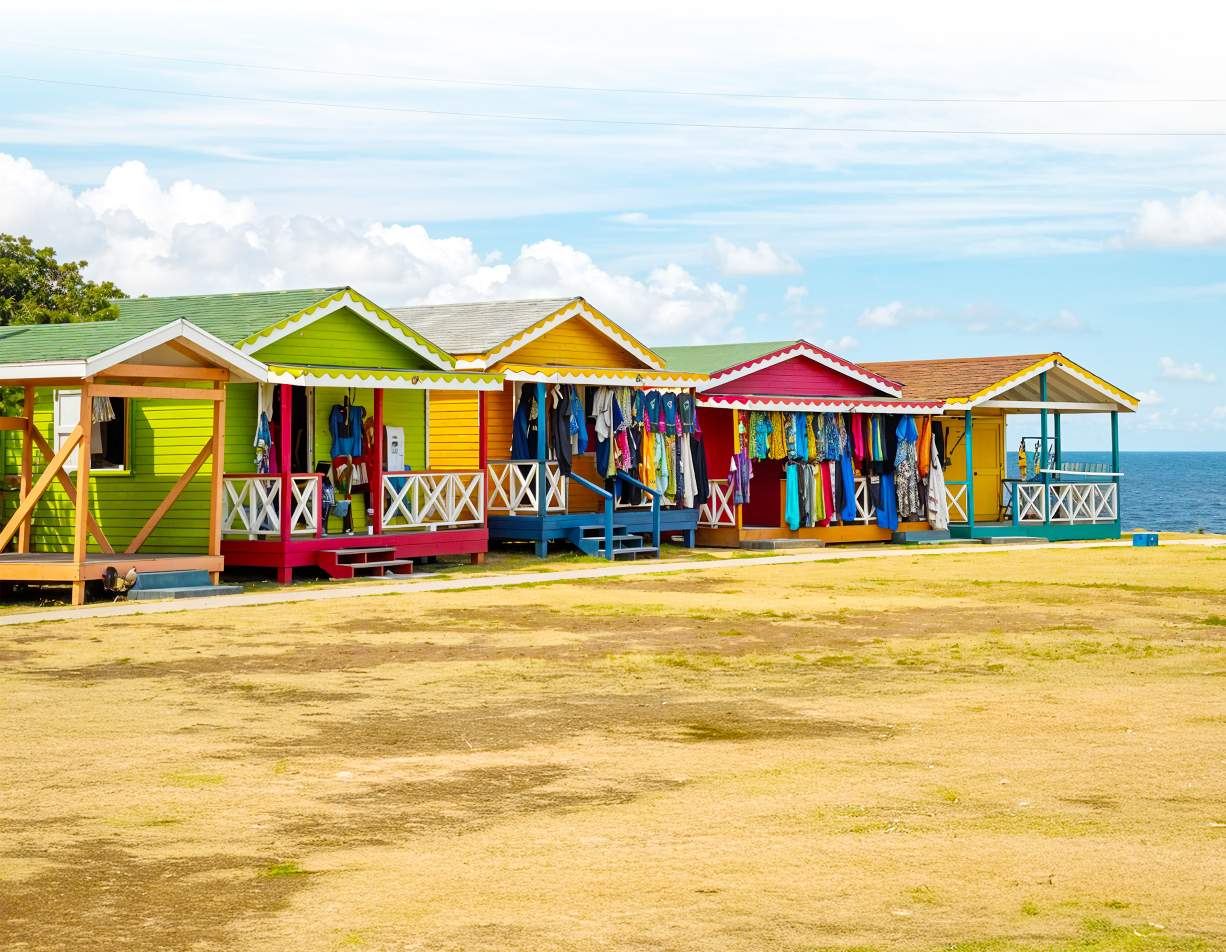
Through community-based tourism, the Venture Deeper campaign, and high-value low-volume tourism, the sector promotes authentic experiences while supporting small businesses. Cruise tourism remains a priority, with improved port experiences exposing passengers to local culture while protecting the marine environment. New success metrics reflect tourism's impact on environment, culture, and livelihoods. Progress is determined by NDPF indicators.
The Creative Economy
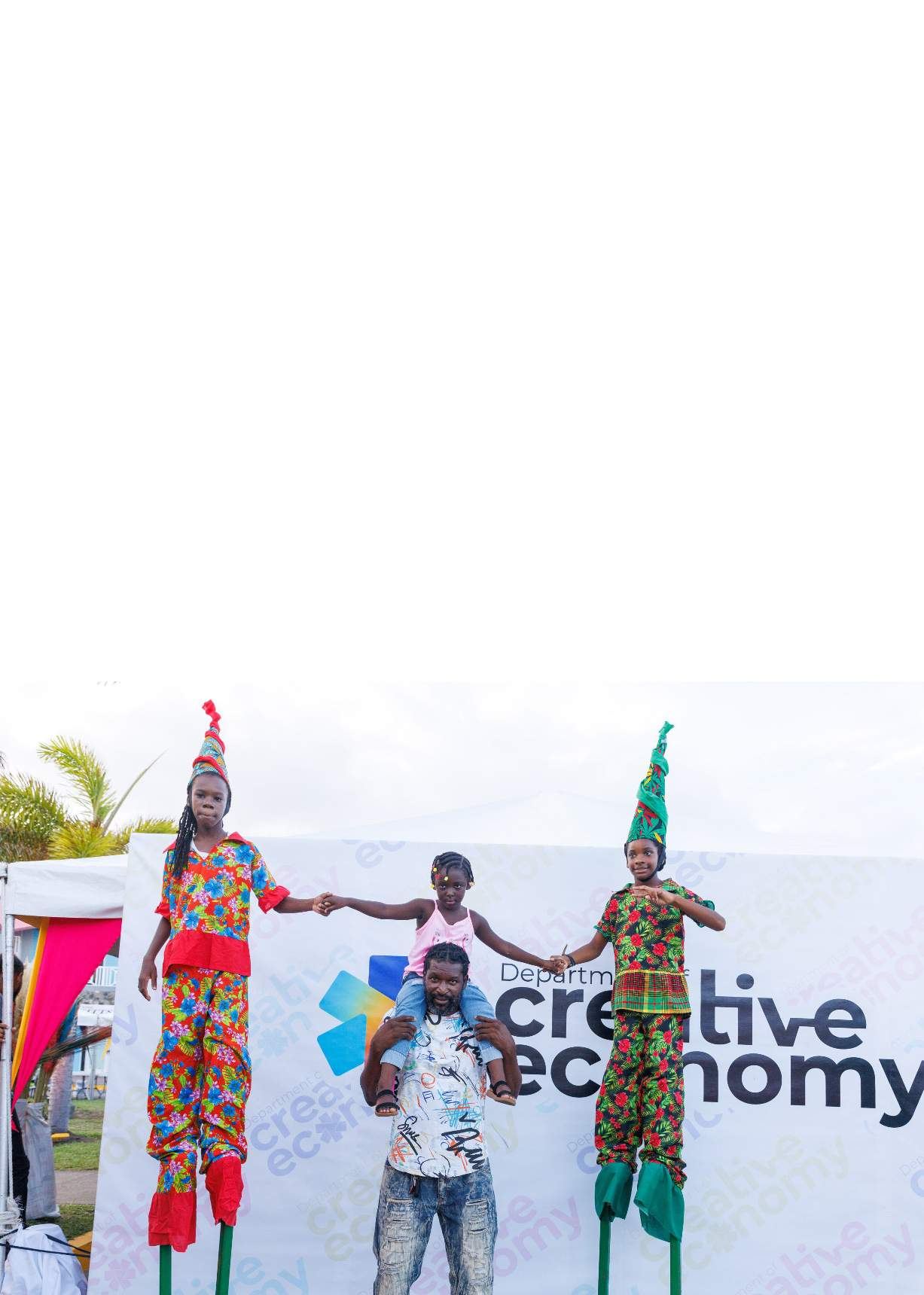
The creative and cultural arts are recognized as essential drivers of economic growth, job creation, and innovation. The Department of Creative Economy, launched in 2023, fosters the growth of the creative sector, spanning music, carnival, art, fashion, film and more.
Project TRANSFORM focuses on raising industry standards, brand development, and infrastructure improvements, while the Intangible Cultural Heritage Secretariat works to preserve the nation's rich cultural heritage. The Creative Arts Fund has been established to stimulate economic growth within the sector, and Creative Power, the first-ever creatives convention in St. Kitts and Nevis, supports talent growth and business development.