
Pillar 05 of 7
Sustainable Settlements
Resilient, inclusive communities where every resident has access to safe, affordable, climate-smart housing.
Overview
The goal of the Sustainable Settlements pillar is to create urban and rural areas that are resilient, inclusive, and environmentally sound by 2040, ensuring all residents have access to safe, affordable housing and basic services.
Rapid migration to Basseterre since the sugar industry's closure in 2005 has strained resources, while coastal development exposes critical infrastructure to flooding and erosion. To build resilience, the Government is implementing an Urban Resilience Plan for Greater Basseterre, constructing 2,400 Smart Homes and 1,000 low-income homes, promoting climate-proof infrastructure, and planning a new urban center in Cayon.
Key Facts
- Construction of 2,400 smart homes has been initiated to provide affordable, climate-resilient housing.
- The Ministry of Sustainable Development is allocating lands in communities across St. Kitts for new homes.
- Approximately 31% of the population resides in urban areas.
- The 2022 Census reported 8.7% population growth since 2011, signalling rising housing demand.
- About 34% of households in St. Kitts are renters; the nation has roughly 15,000 housing units, 60% owner-occupied.
- 95% of households have piped water and 98% have electricity, but only 75% have improved sanitation.
The government reaffirms its commitment to ensuring an affordable housing market that incorporates advancements in construction technology to meet the need for modern, energy-efficient, and affordable housing for financially challenged citizens at risk of homelessness.
Hon. Dr. Geoffrey Hanley
Minister of Education, Youth Empowerment, Housing and Human Settlement, Ecclesiastical and Faith-Based Affairs, Social Development, Gender Affairs, Aging and Disabilities
Goals and Targets
- Build 2,400 Smart Homes and 1,000 low-income homes, and upgrade existing infrastructure.
- Provide homeownership programs and low-cost financing for targeted groups.
- Formulate a pragmatic housing policy and ensure affordable quality housing.
- Implement Urban Resilience Plans and update the National Physical Development Plan.
- Make housing climate-resistant and renovate dilapidated and abandoned property.
- Protect historical buildings and cultural and natural heritage sites.
- Integrate land-use planning, expand green public spaces, and strengthen rural-urban links.
The Smart Homes Initiative
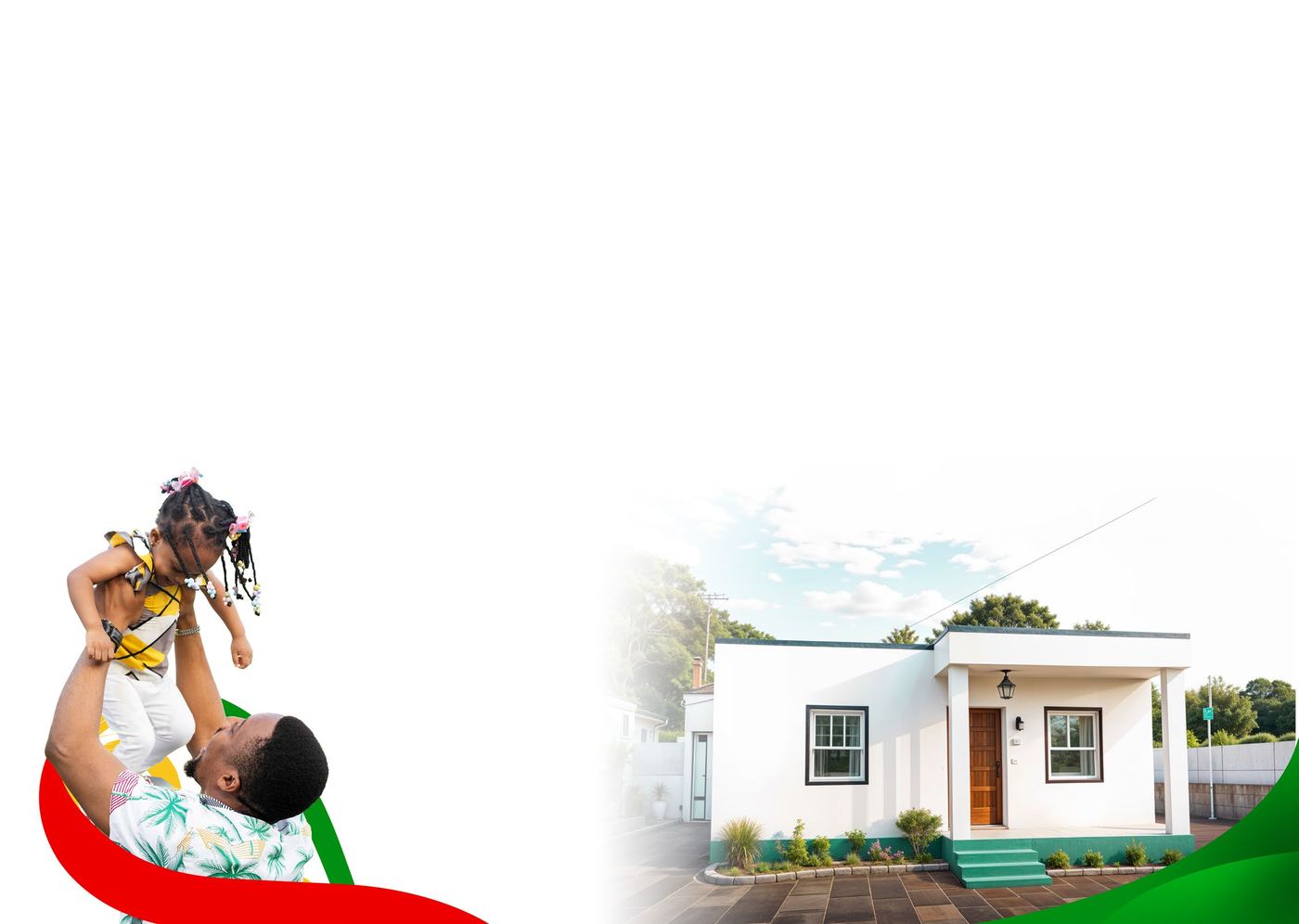
The Smart Homes Initiative targets the construction of 2,400 affordable, energy-efficient homes over four years. Delivered in partnership with East Coast Housing Development Ltd., the homes include modern, climate-resilient features such as solar energy, energy-efficient appliances, and rooftop water heaters.
Local contractors benefit from skills training in advanced construction techniques, while financing options are available through seven financial institutions. Designed for graduates, young men, and single mothers, the initiative advances housing affordability, builds local capacity, and supports inclusive, resilient communities.
Key Achievements
- Approximately 100 new homes under construction in Atlas, St. Peters, and Sandy Point.
- Redesigned homes to include larger 12x12 bedrooms based on citizen feedback.
- Extended the Building Reset Program to December 2025, with duty-free concessions for first-time homeowners and renovations up to $500,000.
- Initiated the project to build 2,400 smart homes over four years.
- Improved ferry port infrastructure and implemented a US$4.5M LED lighting project to reduce energy use.
- Approved 60 GEF projects for biodiversity, climate adaptation, and urban sustainability.
- Advanced the Greater Basseterre Resilience Plan for climate adaptation and urban sustainability.
Investment Priorities
- Resilient housing: Smart and low-income homes with energy-efficient features and affordable financing.
- Urban development: Urban Resilience Plans, revitalizing abandoned properties, updated land-use plans and building codes.
- Sustainable infrastructure: upgraded transportation and water systems with integrated renewable energy.
- Community engagement: social inclusion and safe, accessible green public spaces.
- Policy frameworks: housing policies, improved land tenure systems, and green building standards.
How far we have come
The Smart Homes initiative is delivering climate-resilient homes and enabling generational investment. Infrastructure upgrades, community projects and the Greater Basseterre Resilience Plan promote climate adaptation and urban sustainability, while integrated land-use planning ensures inclusive, sustainable development. Progress is determined by NDPF indicators.