
Pillar 01 of 7
Energy Transition
The goal is a secure, clean, cheaper and greener homegrown energy supply, with 100% renewable electricity generation by 2030.
Overview
St. Kitts and Nevis aims to become the smallest green nation in the Western Hemisphere, striving for a diversified energy sector that prioritizes renewable energy sources. The overarching vision is to provide reliable, renewable, clean, and affordable energy to all citizens, aligned with the country's commitment to achieving 100% electricity generation from renewable energy sources by 2030.
Over 95 percent of the population has access to electricity. However, the country heavily relies on fossil fuels for electricity generation and transport, making it vulnerable to international oil price fluctuations that impact the cost of electricity. The government subsidizes the fuel charge for residential customers to partially protect them from price volatility.

Key Facts
- In 2017, 99% of the primary energy supply came from oil; wind and solar accounted for just 1%.
- Most electricity is generated by diesel power plants (95%), with 3% from wind and 2% from solar.
- Electricity averages $0.26 per kWh, lower than the Caribbean regional average of $0.33 per kWh.
- Per capita consumption is 3,570 kWh per year, well above the regional average of 2,170 kWh.
- 20% of generated electricity is lost in distribution; the target is 10% in St. Kitts and 6% in Nevis by 2030.
- The revised NDC commits to reducing CO2 emissions by 2030 compared to 2010 levels.
We aim to reduce our carbon footprint by implementing bold strategies to reduce our reliance on non-renewable sources of energy. The goal is to transition towards a more secure, clean, cheaper and greener homegrown energy supply.
Hon. Konris Maynard
Minister of Public Infrastructure, Energy and Utilities, Domestic Transport, Information, Communication and Technology
Goals and Targets
- Transition to 100% renewable energy for power generation.
- Reduce CO2 emissions by 2030 compared to 2010 levels and cut energy consumption by 5%.
- Reduce transmission and distribution losses to 10% in St. Kitts and 6% in Nevis by 2030.
- Switch at least 2% of the vehicle fleet to electric vehicles by 2030 and build charging infrastructure.
- Interconnect the electricity grids of St. Kitts and Nevis and adopt energy storage.
- Ensure safe, efficient, reliable, affordable, and environmentally friendly electricity.
- Rationalize the electricity tariff structure and rate.
- Promote e-mobility and efficient, environmentally clean transportation.
Geothermal Energy Development Project
The geothermal energy development project in Nevis is a major initiative to transition to renewable energy sources and achieve energy independence. The project, which received a US$17 million grant from the Caribbean Development Bank in December 2022, involves drilling two geothermal production wells and one injection well to establish a 10-megawatt geothermal power plant able to meet all of Nevis' domestic electricity demand.
The project is a collaborative effort involving the Government, the Nevis Island Administration, the energy providers NEVLEC and SKELEC, the CDB, the Caribbean Community Climate Change Centre, and the Caribbean Centre for Renewable Energy and Energy Efficiency. It is a crucial step towards reducing electricity costs, decreasing carbon emissions, and bolstering energy security.
Key Achievements
- Invested $63.5 million to stabilize electricity prices and $12 million to subsidize gas.
- Purchased two 18 MW hybrid generators for $40 million and installed a temporary 6 MW generator to stabilize the grid.
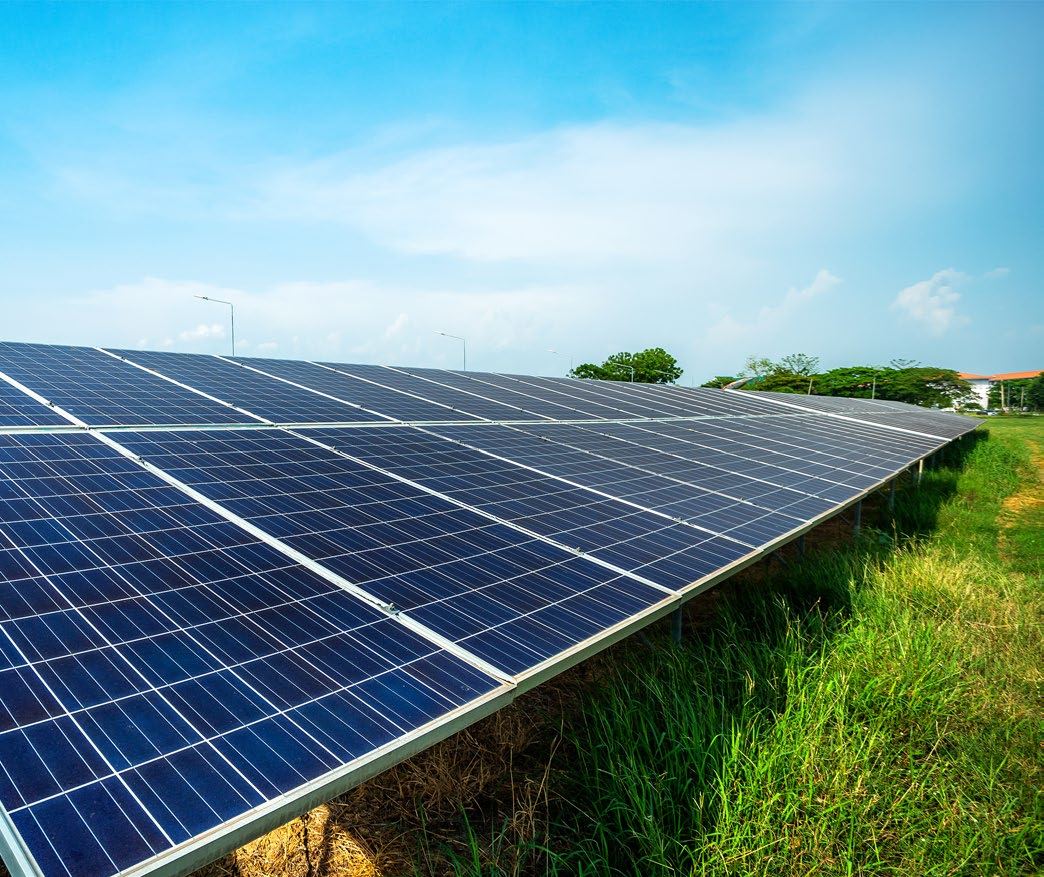
- Initiated plans for a 50 MW solar plant with battery storage, advancing procurement with Taiwan.
- Constructed a 70,000-gallon-per-day solar desalination plant.
- Secured a $16 million CDB loan guarantee for geothermal drilling.
- Launched the SKN 100 carbon-free economy project and introduced smart meters.
- Developed a buyback tariff enabling solar households to sell excess energy to the grid.
- Launched a national EV policy with concessions, incentives, and an action plan.
- Certified participants in solar panel and EV technology training, and established the Caribbean Center of Excellence at CFBC for renewable energy research.
Investment Priorities
- Transitioning to 100% renewable energy in power generation: solar, wind, and geothermal to eliminate fossil fuel reliance.
- Improving electricity transmission and distribution efficiency through system upgrades.
- Electrifying 2% of the vehicle fleet by 2030, starting with the government fleet.
- Developing accessible, reliable EV charging stations across both islands.
- Advancing geothermal in Nevis and solar, wind, and waste-to-energy initiatives in St. Kitts.
- Interconnecting the electricity grids of St. Kitts and Nevis with energy storage solutions.
How far we have come
GoSKN is actively working on fiscal incentive packages to attract investments in renewable energy. Diversifying the energy supply and promoting efficiency and conservation will contribute to improving livelihoods and prosperity by lowering energy costs and reducing the carbon footprint. Strengthening the human resources of the Energy Units, SKELEC and NEVLEC remains a priority to complement the transition. Progress is determined by NDPF indicators.